How to Build a Nutritionist Website That Gets You Clients
A nutritionist website needs six sections — hero, about, services, testimonials, FAQ, and contact — plus a blog to get found on Google. Two posts a month is enough. No developer needed, live in 24 hours.

9
min read


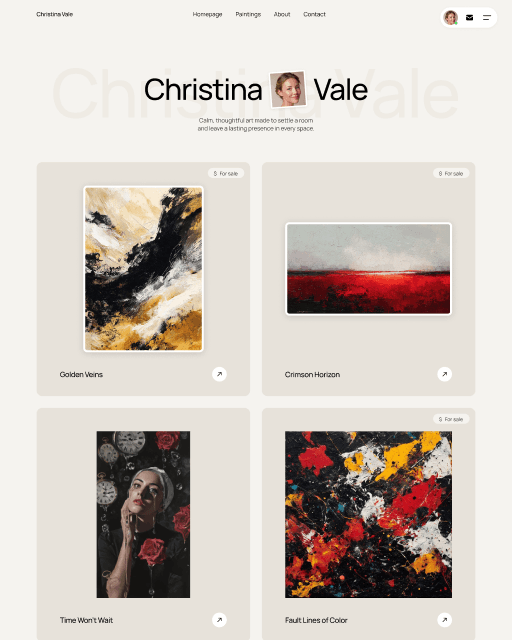
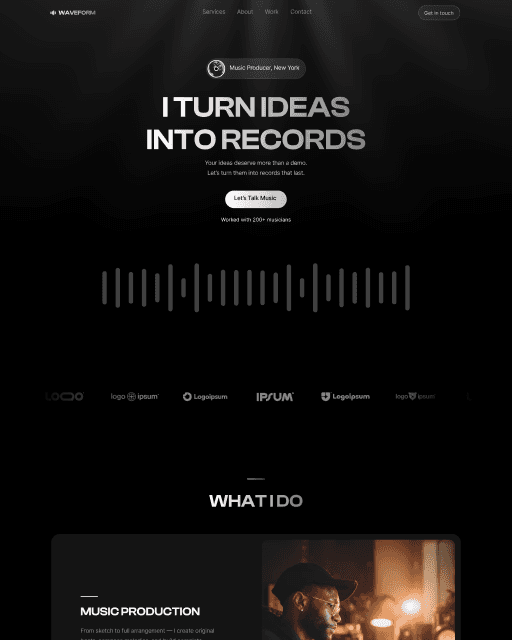
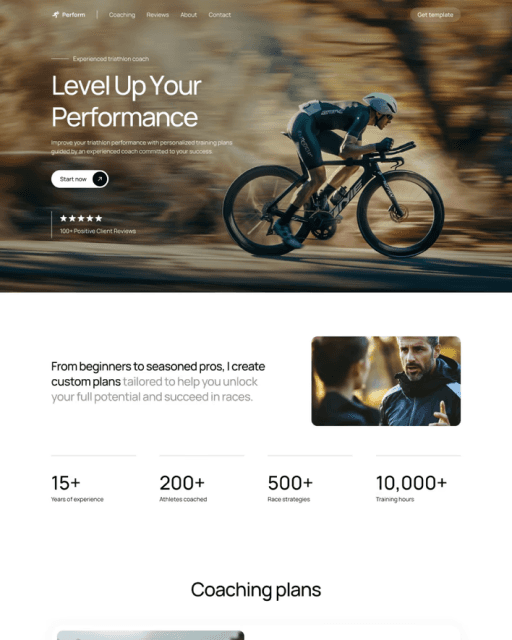
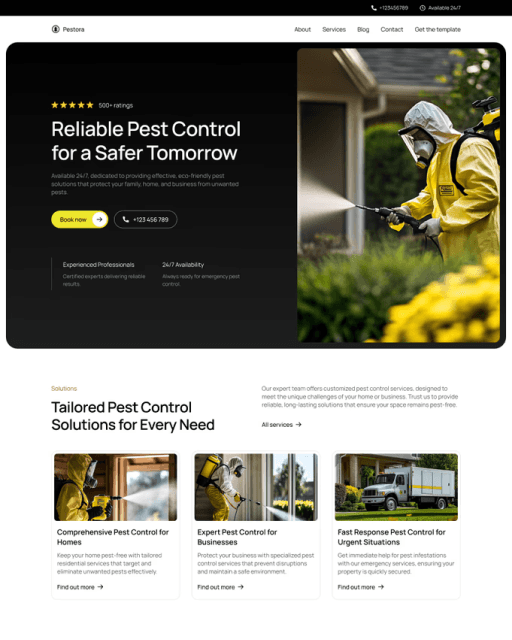
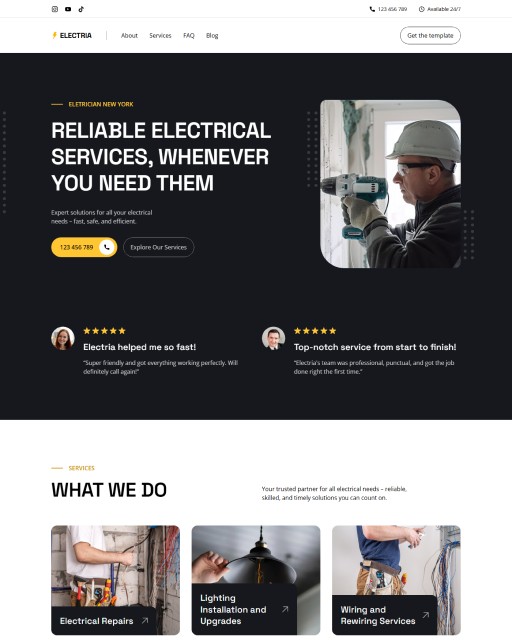
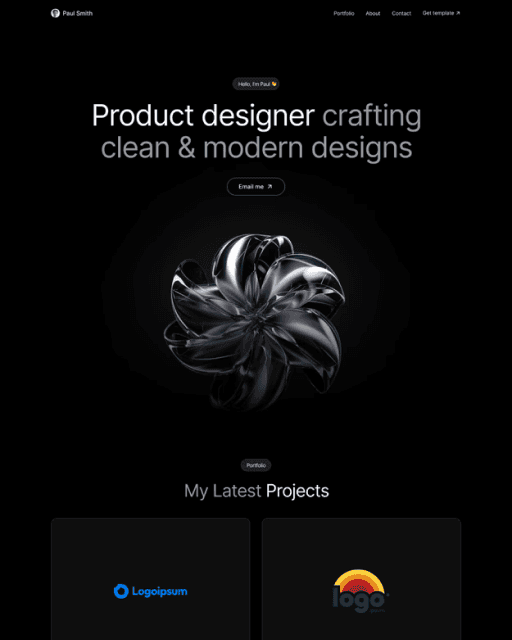
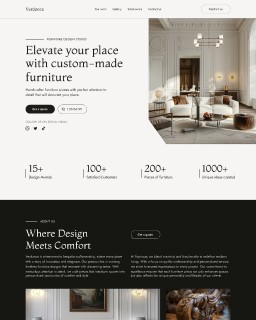


A nutritionist website needs six sections — hero, about, services, testimonials, FAQ, and contact — plus a blog to get found on Google. Two posts a month is enough. No developer needed, live in 24 hours.
A nutritionist website that gets clients does three things: it makes clear in the hero who you help and how, it explains what working with you actually looks like, and it answers the questions people ask before they book. Most nutritionist websites do none of these — the site exists, but it doesn’t do anything, so a visitor reads a few lines and leaves.
A website that gets clients doesn’t need to be complicated. It needs to be clear. Six focused sections, written for the right person, with one job each. That’s it.
Why Most Nutritionist Websites Don’t Convert
A website fails before a single visitor arrives if the basics aren’t in place. Here’s what typically goes wrong:
The hero is too vague. “Helping you live your best life” tells a visitor nothing. Who do you help? With what? Why you? If someone can’t answer those three questions in five seconds, they leave.
There’s no clear next step. Every page needs one CTA — one action you want the visitor to take. “Get in touch” buried in a footer doesn’t count. A visible “Book a free discovery call” in the hero does.
There are no services. It sounds obvious, but many nutrition websites describe a philosophy without ever listing what you actually offer, how it works, and what it costs (or at least a starting price). Clients need to know what they’re buying before they reach out.
The fix for all of this is structure. Not a redesign, not a rebrand — just the right sections in the right order.
The Sections Your Nutritionist Website Actually Needs
You don’t need ten pages and a complex sitemap. A single, well-structured homepage covers everything a prospective client needs to decide to reach out.
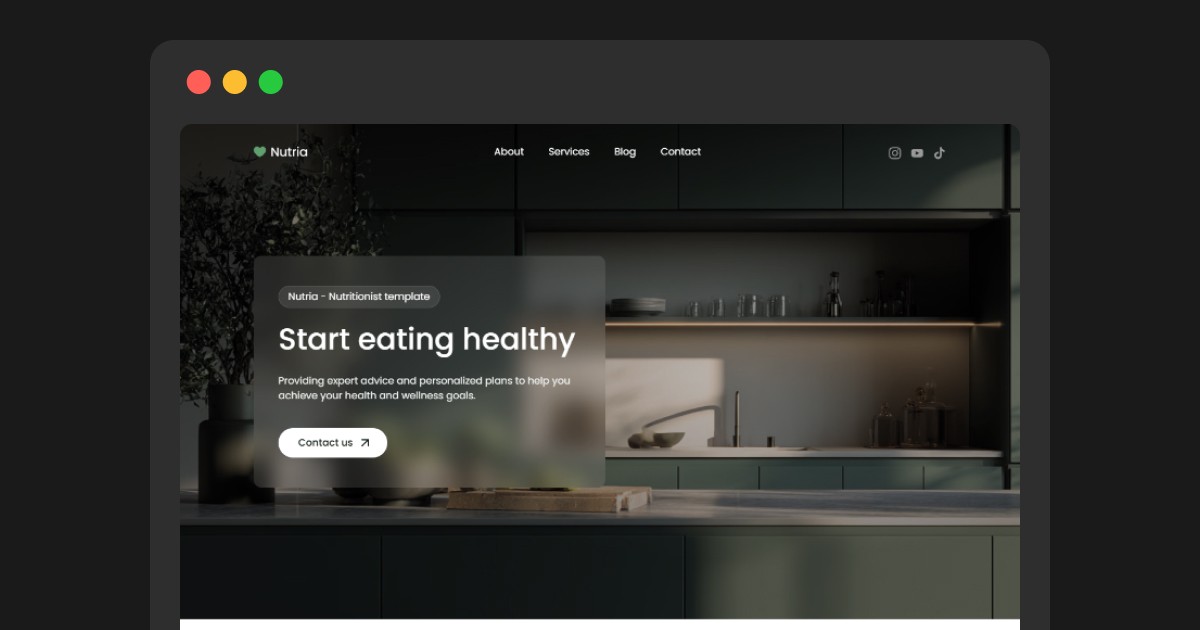
Hero — your positioning at a glance. This is the first thing every visitor sees. It needs to do three things: say who you help, say what outcome you help them reach, and tell them what to do next. A “Book a free call” CTA button directly in the hero is the single highest-impact thing you can add to most nutrition websites.
About — your story, not just your credentials. Credentials matter, but they don’t build trust on their own. Your about section should tell visitors why you do this work — your own experience with nutrition, what drew you to this field, what your clients typically go through when they first come to you. A short, honest paragraph in first person does more than a list of qualifications.
Services — name the transformation, not just the service. “12-week programme” means nothing without context. “12-week programme for women who want to stop yo-yo dieting and build a sustainable way of eating” means everything. For each service, include: what it is, who it’s for, what they’ll get out of it, and how to start.
Testimonials — results over praise. “She’s so helpful and kind” is a weak testimonial. “I lost 8kg in three months and finally stopped dreading mealtimes” is a strong one. Use real results, even small ones. Specificity is what makes a testimonial convincing.
FAQ — handle objections before the first call. The questions clients always ask before booking are predictable: How long until I see results? Do you work with people online? What’s included in the programme? How is this different from just following a diet plan? Answer them on the page and you remove the friction that stops people from reaching out.
Contact — one clear ask. A simple form with name, email, and a short message field. Or a Calendly link if you prefer to book calls directly. One option, not three. The more choices you give someone, the less likely they are to take any of them.
What to Write in Each Section
Knowing which sections to include is step one. Knowing what to actually write in them is where most people get stuck.
Hero headline formula: [Who you help] + [what problem you solve] + [the outcome they want]. Example: “Nutrition coaching for women over 40 who want to lose weight without giving up the food they love.” That’s specific enough to make the right person feel seen — and to make the wrong person self-select out, which is equally valuable.
About section: Three to four sentences, first person, specific. Lead with something real — your own experience, a client type you understand deeply, or the moment you decided to do this work. End with what you bring to every client relationship. Avoid listing degrees in the opening line.
Services: Write the name of the service, then one sentence on what the client gets, then one sentence on who it’s best for. That’s the minimum. If you have a flagship offer, give it more space — a short paragraph plus a bullet list of what’s included.
Testimonials: If you have them, use them exactly as your clients said them, with their first name. If you’re just starting out, two strong testimonials beat six weak ones. Ask past clients for a result — “what changed for you after working with me?” is a better prompt than “can you leave me a review?”
FAQ answers: Keep each answer under 60 words. Answer the question directly in the first sentence. No preamble, no “great question.” The goal is to remove doubt, not to impress.
Why a Blog Is the Most Underused Tool a Nutritionist Has
Most nutritionists know they should blog. Almost none of them do — and the ones who do often stop after three posts when they don’t see immediate results.
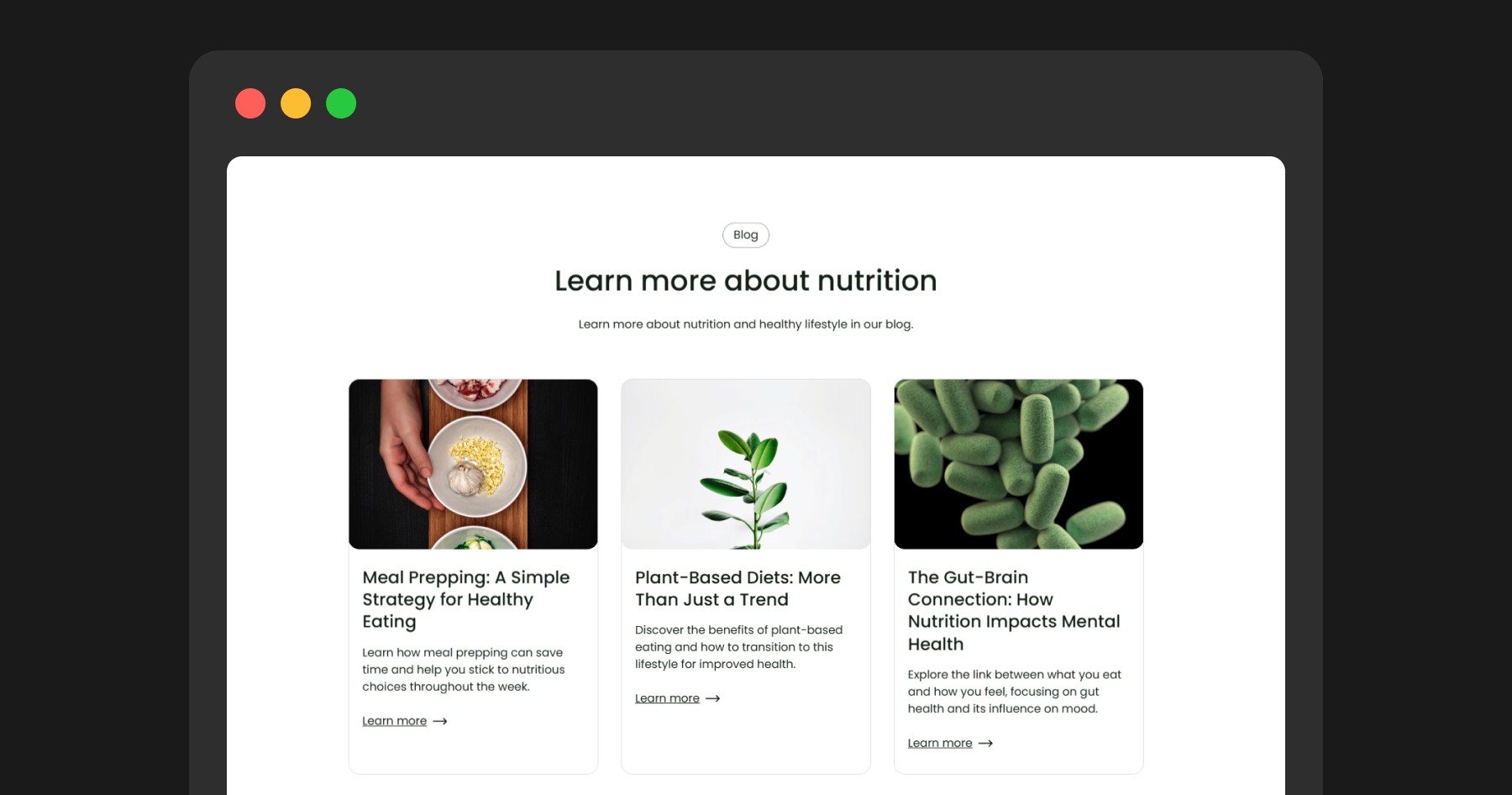
Here’s what’s actually happening when you publish a blog post: you’re creating a new page Google can index. A page that can show up when someone searches “what to eat before a workout”, “gut health diet for beginners”, or “how to meal prep for the week”. These are your clients. They’re searching right now, and the nutritionist whose blog answers those questions is the one who gets the click.
You don’t need to publish every week. Two posts a month, consistently, is enough to start building organic traffic over six to twelve months. The posts compound — an article you write in April can bring in clients in October.
Good blog topics for nutritionists that people are already searching for:
“Meal prep for beginners: how to start without spending your whole Sunday cooking”
“What to eat for more energy (and what’s making you tired)”
“The difference between a nutritionist and a dietitian”
“How to read a nutrition label (without getting confused)”
“What actually happens to your body when you cut out sugar”
None of these require expert research. They require clear, honest answers to questions your clients ask you every week. Write the way you’d explain it to a client in a first consultation — that’s the tone that performs best.
A blog built into your website from day one means every post you publish adds to your site’s authority and gives you something to share on social media, in your newsletter, or with prospective clients.
How to Launch Your Nutritionist Website Without a Developer
A custom-built website for a health and wellness business typically costs between $3,000 and $8,000 and takes six to twelve weeks to deliver. For most nutritionists who are building or growing their practice, that’s money and time better spent on clients.
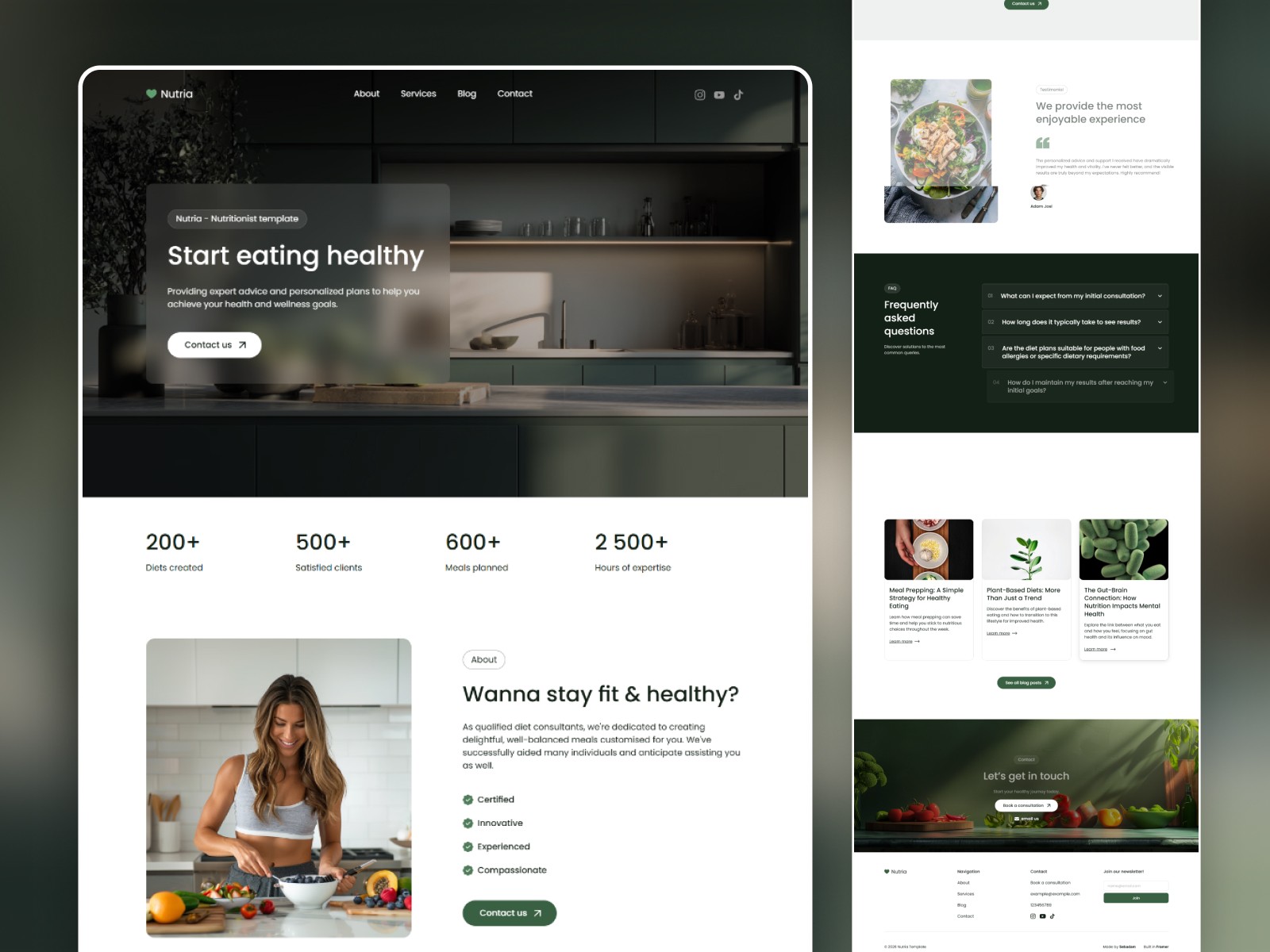
A Framer template built specifically for your niche gives you the same professional structure — hero, about, services, testimonials, FAQ, blog, contact — without the cost or the wait. You customize your text, photos, and colours directly in Framer’s visual editor, connect your domain, and you’re live. Most people are up and running in under 24 hours.
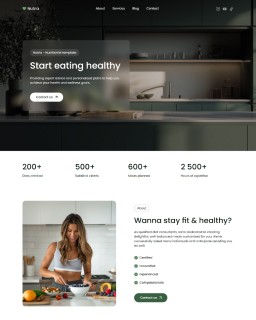
Nutria is a template built specifically for nutritionists, dietitians, and health coaches. It includes every section covered in this guide, a CMS-powered blog ready to publish to, and full mobile responsiveness — all editable without touching a line of code.
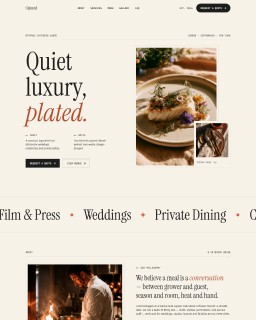
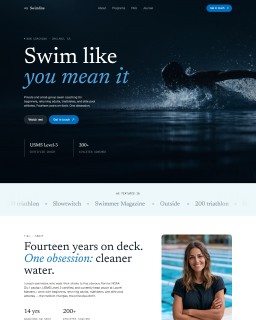
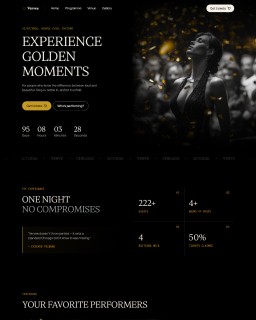
Want to compare options before you pick one? Our shortlist of the 5 best Framer templates for nutritionists puts Nutria next to four alternatives, including two free ones.
Frequently asked questions
What pages does a nutritionist website need?
For most nutritionists, one well-structured homepage is enough to start. It should include a hero, about, services, testimonials, FAQ, and contact section. Add a blog page if you plan to publish content — it's the best long-term source of organic traffic for a nutrition practice.
How do I get clients from my nutritionist website?
Your website gets clients when three things are in place: a clear hero that states who you help and what outcome you deliver, a services section that explains what working with you looks like, and a visible CTA — ideally a link to book a free call. Testimonials and a FAQ section remove the doubts that stop people from reaching out.
Do I need a blog on my nutritionist website?
Not immediately, but it's the highest-return investment you can make in your website over time. Every blog post creates a new way for clients to find you on Google. Two posts a month, consistently, builds meaningful organic traffic within six to twelve months. Topics like meal prep, gut health, and energy are already being searched by your ideal clients.
How much does it cost to build a nutritionist website?
A custom website built by a developer typically costs $3,000–8,000. A purpose-built Framer template like Nutria gives you a professional, fully functional site for a fraction of that — $59 for the template, plus Framer hosting from $15/month. Most people are live in under 24 hours.


