How to Build a Website With AI Prompts — Is It Actually Possible?
AI tools like Bolt, Lovable, and Claude can generate websites from a prompt. Here's what they actually produce, where they fall short, and when to use a template instead.

6
min read


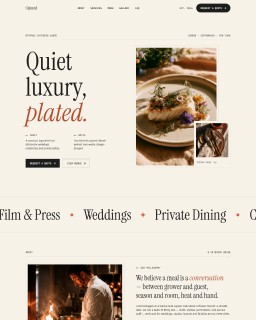
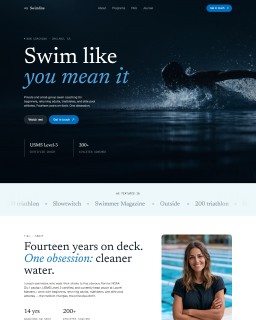
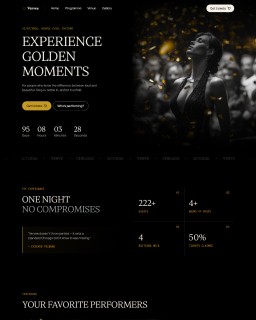
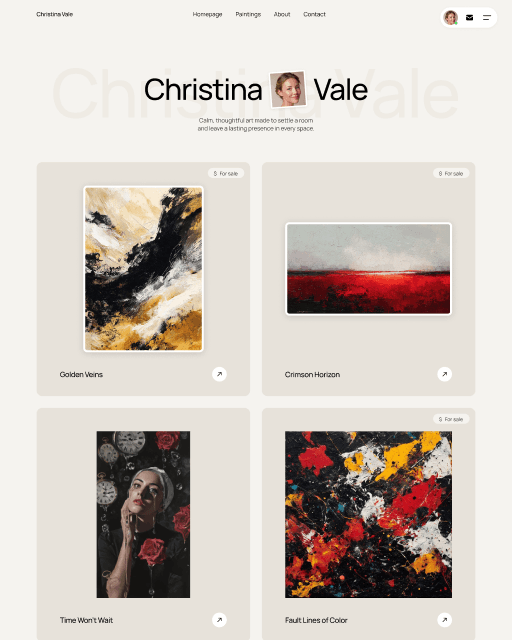
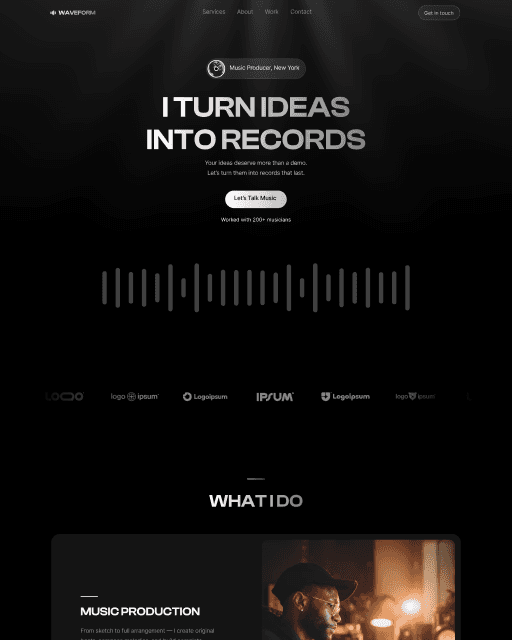
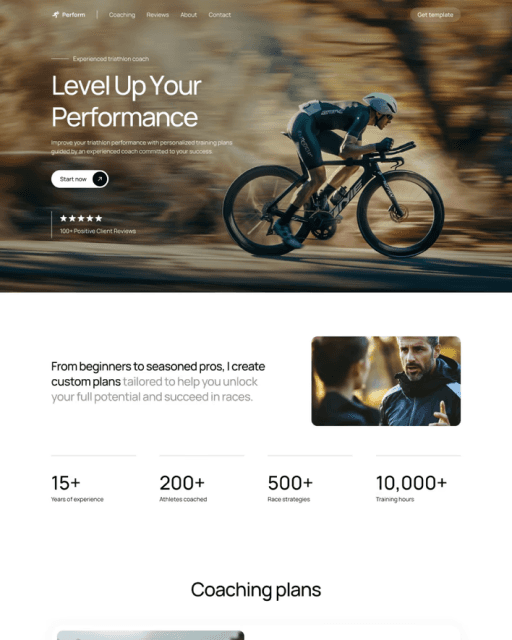
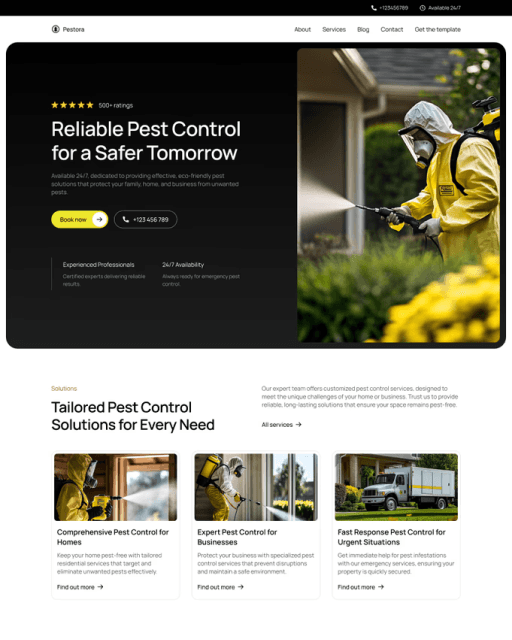
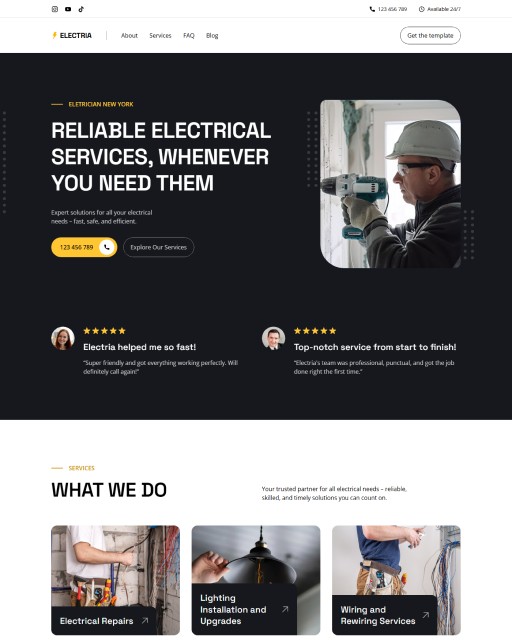
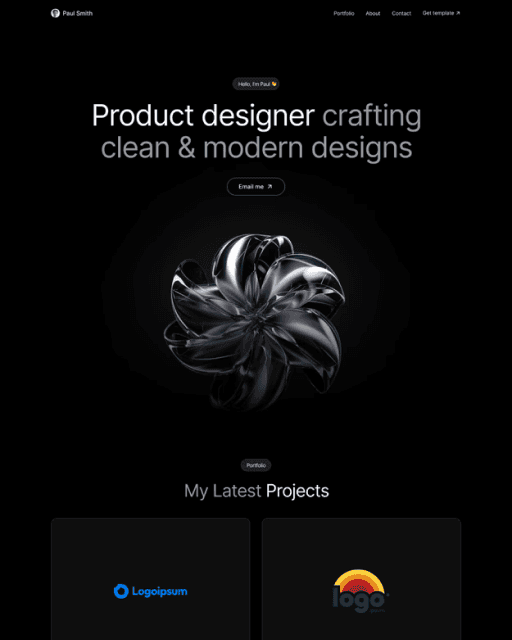
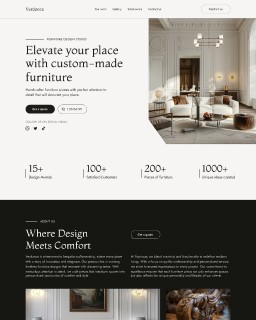
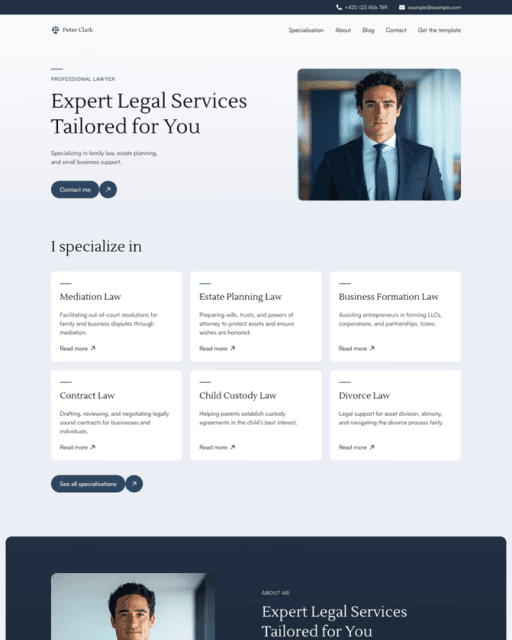
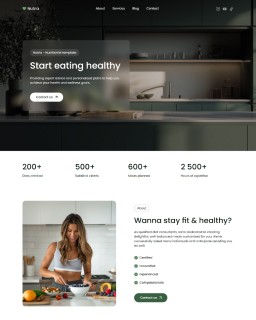
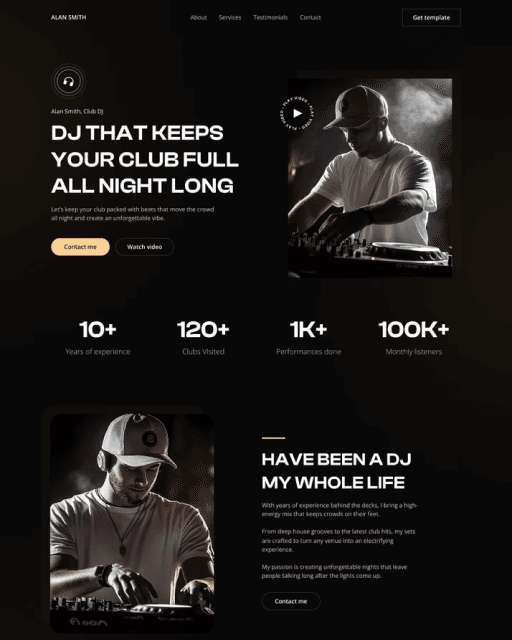
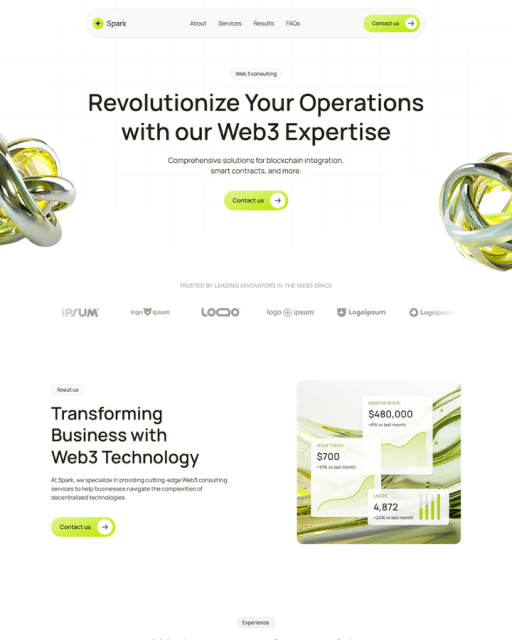
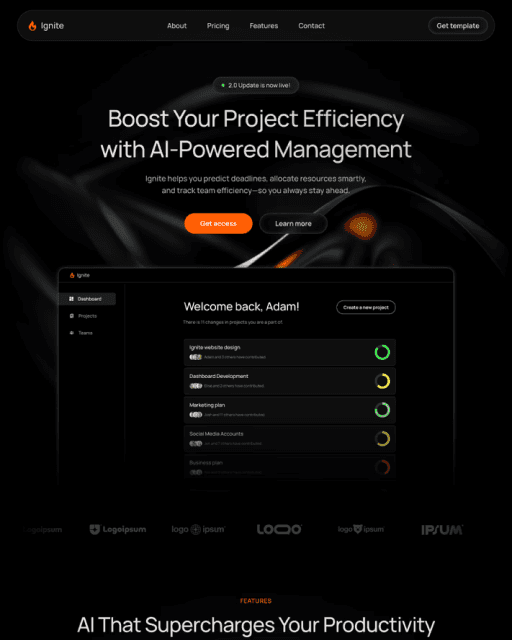
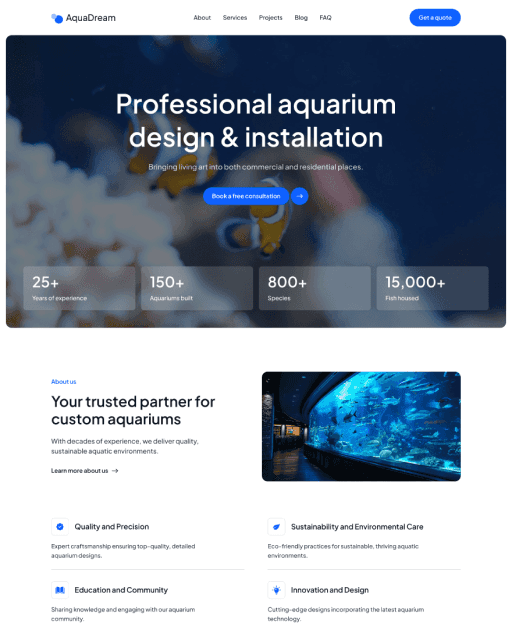
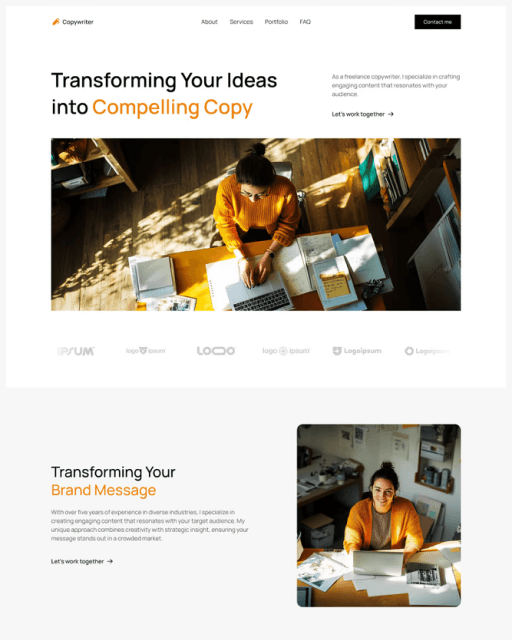
AI website builders like Bolt, Lovable, v0, and Claude Design can generate a complete, niche-specific website from a single prompt — and in 2026, the results are genuinely impressive. These tools understand the difference between a law firm and a personal trainer, and they'll structure the site accordingly. Where they still fall short is less about intelligence and more about the practical realities of running a website long-term: ongoing content updates, CMS management, and the last 10% of visual polish that separates good from professional. If you're looking for a starting point, prompt libraries like websiteprompts.ai let you browse ready-made prompts by business type and copy them directly.
Yes — you can build a real, publishable website with AI prompts today. A year ago it felt like a demo trick; now the right prompt produces a site you could actually launch. What changed is the quality of the output and the tools around it — and knowing how to prompt is the difference between a usable result and a throwaway one.
The tools have gotten smart. Bolt, Lovable, v0, and Claude Design don't just generate a generic five-section layout anymore. They understand business context. Give them "I run a law firm in Chicago specialising in employment law" and you'll get a site with practice area sections, a professional tone, and a consultation CTA — not a personal trainer homepage with a different colour scheme.
So yes, it's actually possible. The more useful question is: when does it make sense, and when should you start from a purpose-built template instead?
What AI Website Builders Can Do in 2026
There are now several capable tools worth knowing:
Bolt.new — Generates full-stack web apps from a prompt. Strong for functional sites and product landing pages. Deploys directly without a separate hosting setup.
Lovable — Similar to Bolt, with a clean interface and good output for SaaS and product sites. Good at iterating from feedback.
v0 by Vercel — Generates React UI components and full page layouts from prompts. Developer-oriented but the visual quality is high.
Claude Design — Anthropic's dedicated design tool launched in April 2026. Describe what you need, Claude builds a first version, and you refine it through conversation, inline comments, or direct edits. Exports as standalone HTML or hands off directly to Claude Code. Available at claude.ai/design for Pro, Max, Team, and Enterprise subscribers.
ChatGPT — Can generate HTML/CSS sites, less specialised for web design but capable for simple layouts.
All of these will produce a niche-appropriate result from a good prompt. A dentist's website, a fitness coach's site, and a software agency's site will look and feel different — the AI understands the context.
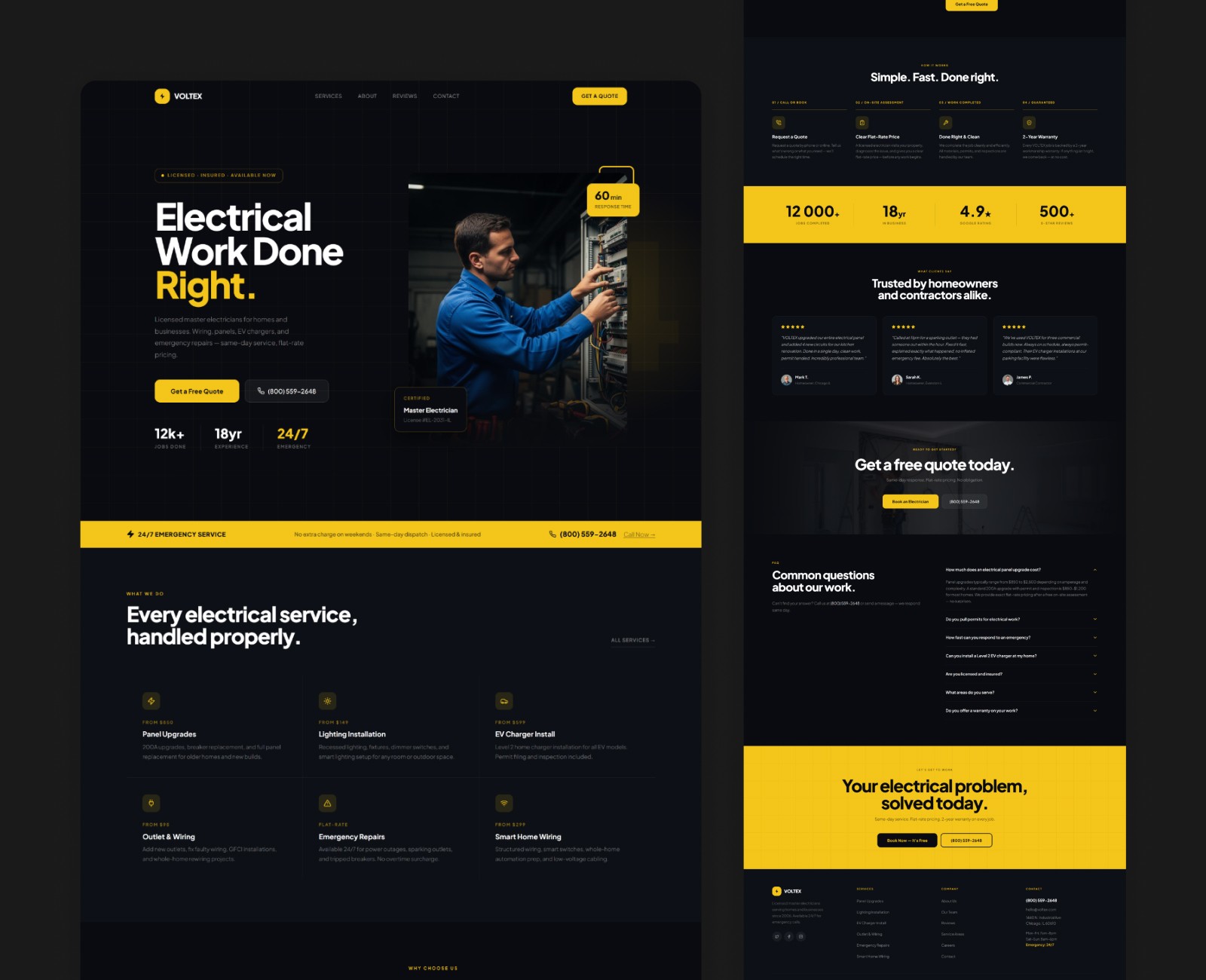
Where AI Builders Still Fall Short
The limitations in 2026 are more practical than they are about intelligence.
No CMS. Most AI-generated sites are static — there's no built-in way to add a blog post, update a services list, or add a new project without going back to the AI and regenerating. For a business that updates its site regularly, this becomes friction fast.
Hosting is on you. AI builders generate code or deploy to their own platforms. Long-term, you're responsible for managing that — updates, uptime, performance. For most small business owners, that's more maintenance than they want.
The last 10% of polish. AI-generated sites look good, but there's usually a visible gap between "looks good" and "looks professional." Spacing inconsistencies, font scaling on mobile, sections that don't quite breathe. Small things that accumulate.
Conversion structure from experience. AI builders know that a law firm needs a services section and a contact form. They're less reliable on the subtler decisions — where testimonials land relative to the work, how the contact CTA is framed, what the page flow feels like on mobile. Those things come from experience building sites that actually convert.
How to Write a Prompt That Gets the Best Output
Even with capable tools, prompt quality still matters.
A vague prompt — "make me a website for my personal training business" — produces a competent but generic result. A specific prompt produces something much closer to what you actually need.
What to include:
Your business type and niche specifically ("personal trainer specialising in strength training for women over 40")
Your target client ("busy professionals who want structured programming, not a gym membership")
The sections you need ("hero, about, services, transformations gallery, testimonials, contact")
The visual direction ("dark, bold, energetic — not pastel wellness")
For ready-to-use prompts built for specific business types, websiteprompts.ai has a free library you can copy and paste directly.
When to Use AI vs. a Template
Neither approach is universally better. The right choice depends on your situation.
AI builders make sense when:
You need something live quickly and ongoing updates aren't a priority
You're prototyping an idea before investing in a proper site
You're a developer who'll customise the generated code yourself
It's a personal or one-off project
A purpose-built template makes more sense when:
You're running a service business and your site needs to convert visitors into enquiries
You'll be updating content regularly — projects, blog posts, services
You want a reliable hosted platform without managing infrastructure yourself
The hybrid approach is worth considering too: use AI to generate copy — about sections, service descriptions, FAQ answers — and start from a solid structure rather than a blank prompt. You get speed where AI is strongest without relying on it where it's weakest.
Frequently asked questions
Can you really build a full website with an AI prompt
Yes — tools like Bolt, Lovable, v0, and Claude can generate complete, deployable websites from a single prompt. The quality varies depending on how specific your prompt is and what kind of site you need.
What's the best AI tool for building a website?
It depends on your use case. Bolt and Lovable are strongest for product and app sites. v0 is best if you're working in React. Claude is excellent for one-off landing pages and custom layouts. For service businesses, a purpose-built template often outperforms all of them.
What are the limitations of AI website builders?
They generate layouts and copy, but don't know your specific conversion structure, business logic, or niche. The visual polish is often close but not quite professional, and mobile rendering can be inconsistent without manual fixes.
Is an AI-generated website good enough for a real business?
For a quick prototype or personal project — yes. For a service business where your website is a primary sales tool, the structure and polish gap is real. Starting from a template built for your specific niche is usually faster and produces a better result.


