How to Build a Furniture Business Website Fast
Building a website for your furniture business doesn't have to take months. Here's what pages you need, how to design it right, and how to go live fast.

9
min read


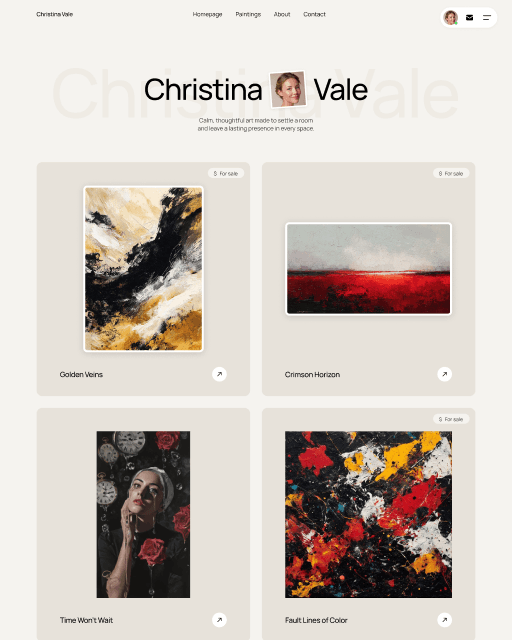

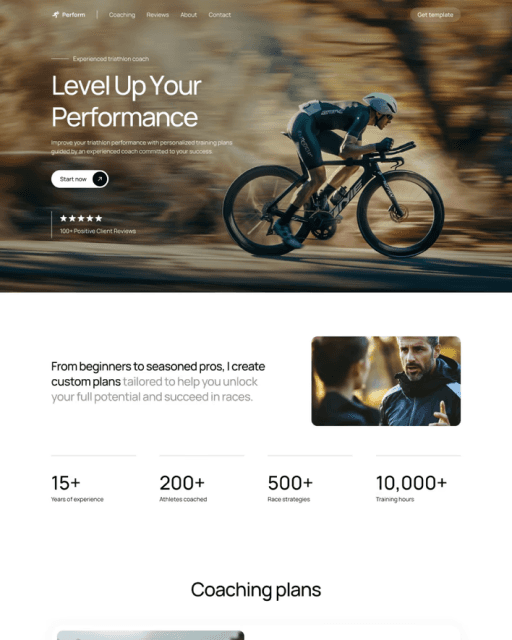


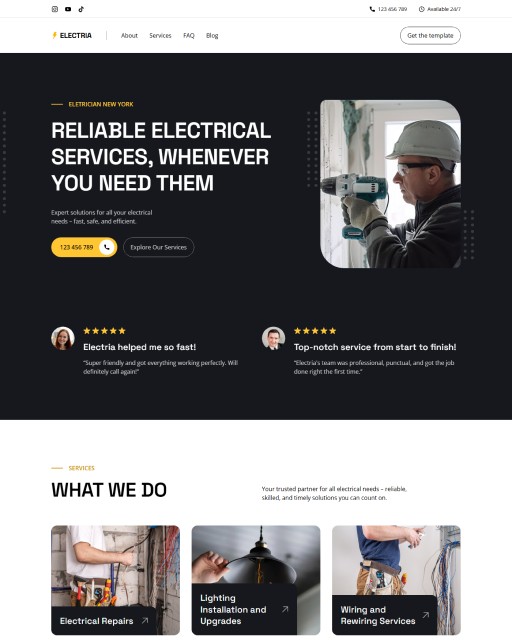
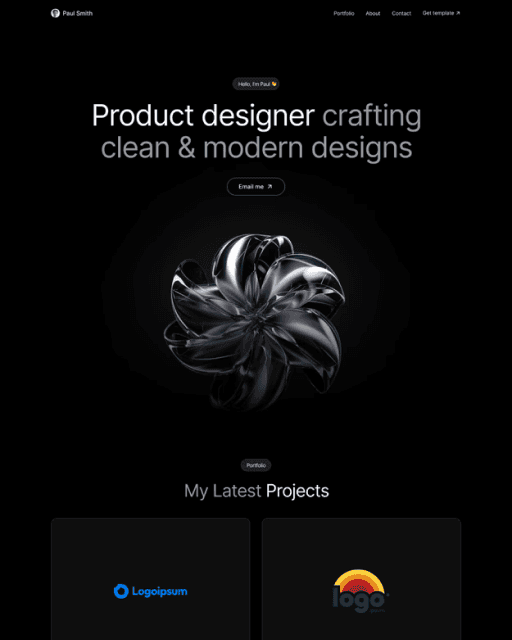


Most furniture businesses wait too long to launch a website. The portfolio isn't ready. The photos aren't perfect. Meanwhile, clients move on. This guide covers everything you need to go live fast — without a developer, without months of work.
Why Most Furniture Businesses Wait Too Long
You don't need weeks to launch a furniture business website — you need the right structure and a template that does the heavy lifting. And the longer you wait, the harder it gets: studies on decision fatigue and the Zeigarnik effect show that uncompleted tasks create ongoing mental load, so a launch that stays 'in progress' only becomes harder to ship.
There are two kinds of paralysis that keep furniture makers offline longer than they should be.
The first is perfectionism. The portfolio needs more projects. The photography needs to be better. The copy needs to be sharper. But clients who find you online don't need thirty projects or award-winning writing — they need enough to trust that you can do the job. Three well-photographed pieces and a working contact form is enough to start winning clients.
The second is overwhelm. Building a website feels like a technical project that requires skills most designers don't have. In 2026, that's no longer true. Modern platforms handle the technical side entirely — hosting, SSL, performance, mobile — and leave you with purely content decisions.
Both have the same solution: launch something real now and improve it over time. A live, imperfect website wins more clients than a perfect one that doesn't exist yet.
What Your Site Actually Needs to Cover
Before thinking about pages, think about what a potential client needs to know before reaching out. Every furniture business website — regardless of how many pages it has — needs to answer four questions:
Who are you and what do you make? A clear statement of your craft and aesthetic. This is what makes someone decide in the first five seconds whether your work is relevant to them.
Can I see the work? A portfolio. Your best pieces, well-photographed, easy to browse. This is where buying decisions happen.
What do you offer and how does it work? Services, process, timelines, and what kind of projects you take on. Clients need this before they'll reach out — they don't want to waste your time or theirs.
How do I contact you? A form, an email address, a clear call to action. Make it as frictionless as possible.
That's it. Everything else is optional. And critically — all four of these can live on a single, well-structured page.
One Page vs. Multiple Pages: Which Is Right for You
This is a more important decision than most people realize, and the right answer depends on where your business is right now.
The case for one page
A one-page website covers everything a client needs to make a decision — portfolio, services, about, contact — all in a single scroll. For a furniture business that's just launching or wants to move fast, it's almost always the better starting point.
It's faster to build, faster to load, easier to maintain, and forces you to be ruthlessly focused about what actually matters. There's no temptation to add a blog you won't update or a testimonials page you'll forget to fill. Everything a visitor needs is right there.
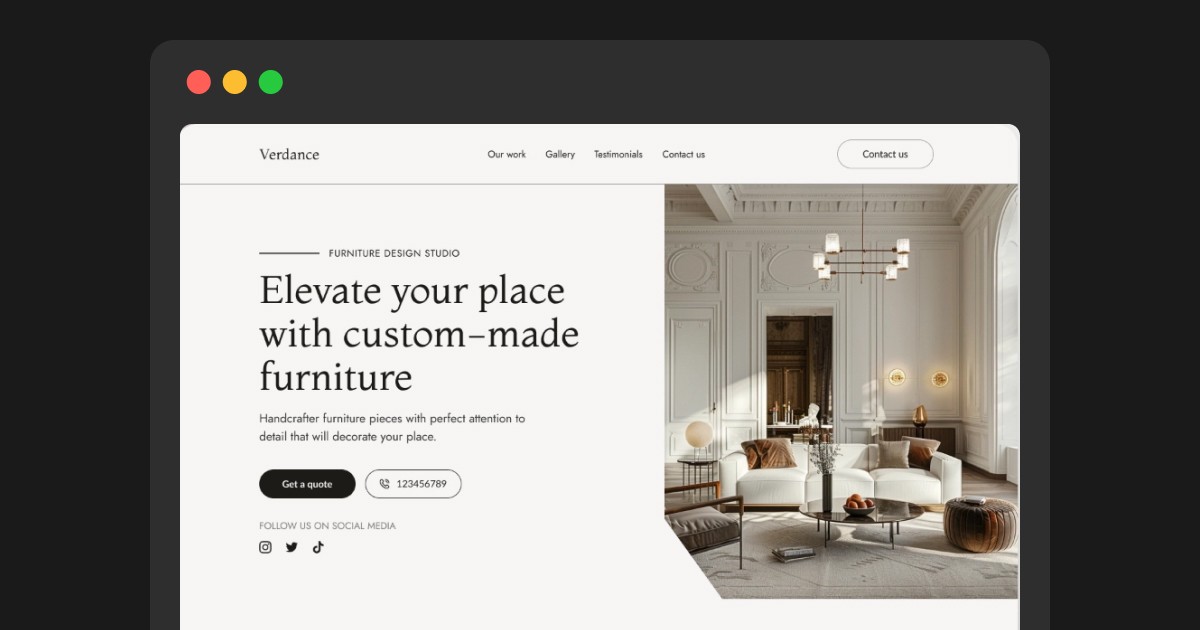
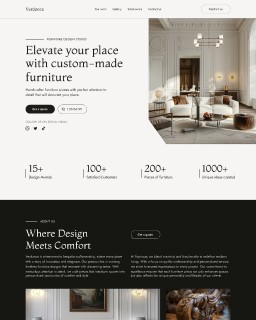
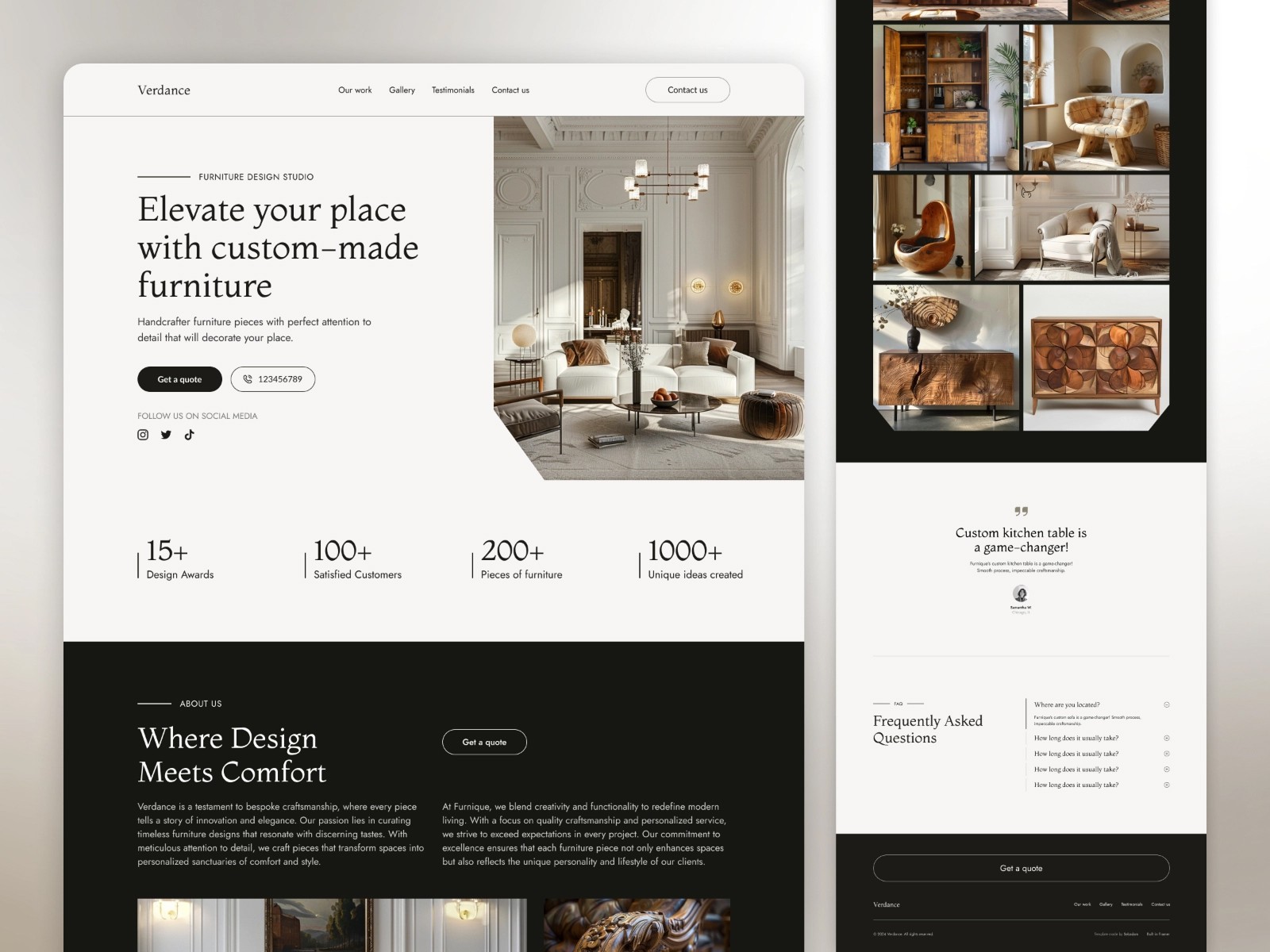
Verdance is built on this principle — one page, every essential section included, ready to launch in a day. If speed to market matters and you don't need a complex site structure, this is the right approach.
The case for multiple pages
A multi-page site makes sense when your business has genuinely distinct needs that a single page can't serve cleanly. For example: you have a large portfolio that needs its own dedicated browsable section, you serve multiple clearly separate audiences (residential clients and trade/commercial), or you want to invest in SEO with blog content over time.
In those cases, expanding to five pages gives you the full structure: a homepage, a portfolio section with individual project pages, a services page, an about page, and a contact page. But this is a place to grow into — not a requirement for launching.
The mistake most furniture businesses make is building a five-page site before they have the content to fill it properly. An empty blog and a sparse portfolio spread across multiple pages looks worse than a tight, focused single page.
Furniture Website Design: What Actually Matters
The best furniture websites are quiet. They step back and let the work be the loudest thing on the page. Here's what that looks like in practice.
Whitespace is the most underused tool. Cramped layouts signal cheapness. Space signals value. This is especially true in portfolio sections — resist filling every pixel. Give each piece room to sit.
Typography signals quality before anyone reads a word. A confident serif headline communicates craft and permanence. A clean sans-serif body keeps things modern and readable. Two fonts maximum. The moment you add a third, the design starts to feel unfocused.
Color should almost never compete with the product. The most effective furniture websites run on near-neutral palettes — warm off-whites, deep charcoals, a single restrained accent at most. The furniture is the color. Let it be.
Navigation should be invisible. On a one-page site, this means clean anchor links in the header that jump to sections. On a multi-page site, four or five clearly labelled links with nothing buried in dropdowns. If a visitor has to think about where to find your portfolio, the navigation has already failed.
Every section needs one clear next step. Not three. One. After seeing your portfolio the prompt is "view more" or "get in touch." After reading your services it's "start a project." Clarity converts more visitors than clever design.
Photography Is 80% of the Work
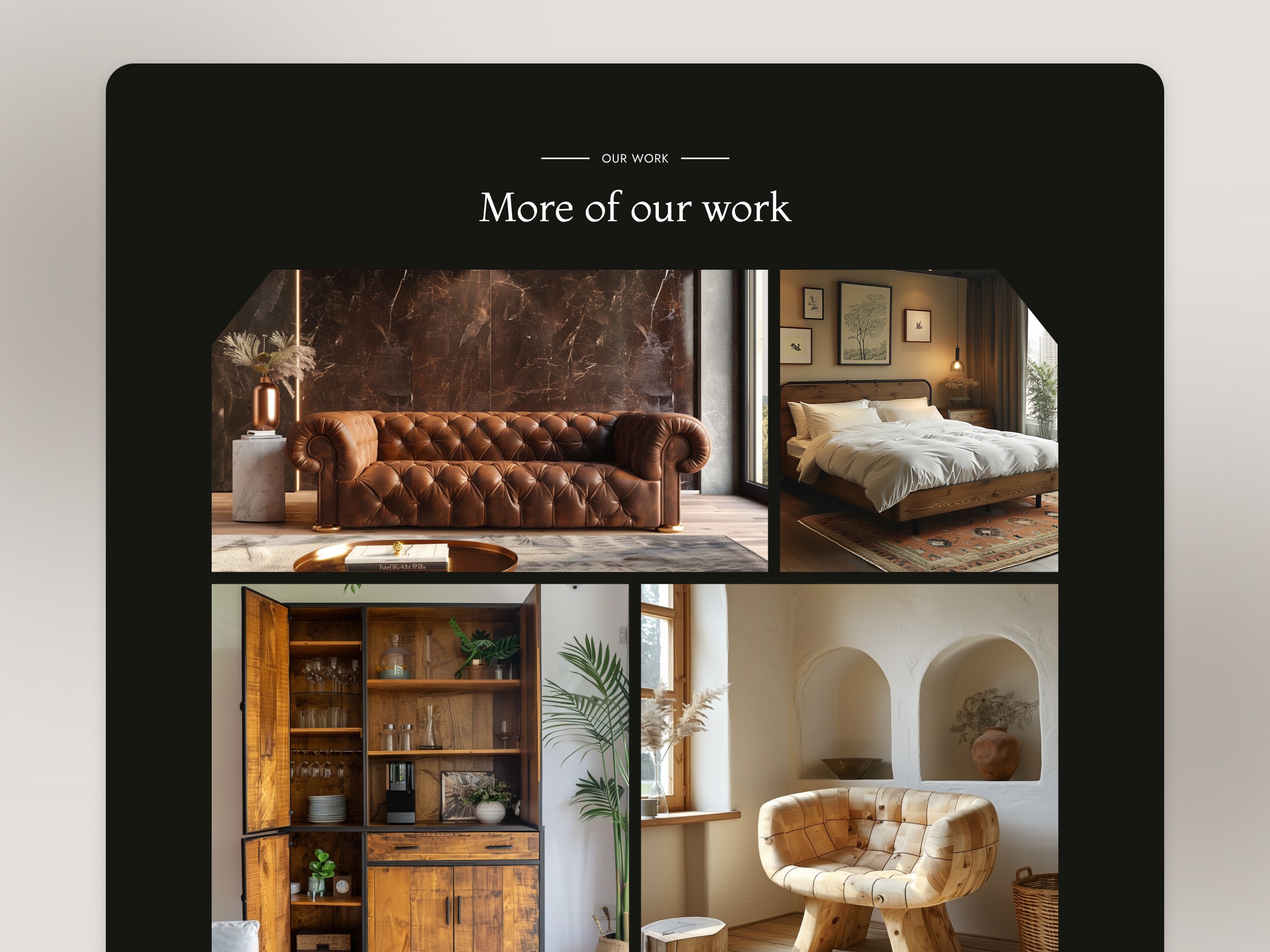
No design decision matters as much as the photography. According to the Nielsen Norman Group, users pay close attention to photos that contain relevant information — while purely decorative images are largely ignored. For furniture businesses, every photo is functional content. A beautifully built site with weak images looks worse than a simple site with excellent ones. The reverse is also true: strong photography makes even modest website design look premium.
For furniture businesses specifically, photography does work that words cannot. It communicates scale, materiality, texture, and craft in a way no description can replicate. A client considering a handmade dining table needs to feel the grain of the wood, the weight of the piece, the care in the joinery. That only comes from a properly lit, well-composed photograph.
If there's one place to put money before launching, it's here. One professional shoot — three to five pieces, good natural or studio light, detail shots alongside full shots — is enough to build a compelling initial portfolio. It pays back immediately in the quality of clients it attracts.
If professional photography isn't in the budget yet, shoot in consistent natural light against a simple background with a tripod. Consistency matters almost as much as quality — a portfolio where every image has a different treatment looks less considered than one shot simply but uniformly.
Choosing the Right Platform
The platform determines how fast you can launch, how easy updates are, and whether the site loads fast enough to keep visitors engaged. For furniture businesses, three things matter most.
It needs to handle large, high-resolution images without slowing down. Furniture photography is demanding — detailed files that have to load quickly or visitors leave before they've seen anything.
It needs to produce clean, minimal results without pushing you toward busy templates and decorative layouts.
It needs to be easy to update without technical help. You'll add new projects regularly. If doing that requires hiring a developer, you've created a bottleneck that will frustrate you for years.
Framer stands out for visual businesses. It loads fast, handles high-resolution photography well, and the editor is fully visual — no code required. If you want to skip starting from a blank canvas, sebadam.supply has pre-built templates for furniture and design businesses. Verdance is a good example — a one-page template with every essential section already structured, built specifically for furniture and interior design studios.
Other platforms like Squarespace offer more familiar interfaces and are worth considering if Framer feels too new. Webflow gives you more technical control but has a steeper learning curve. For most furniture businesses that want to launch fast and look premium, Framer is the right starting point.
How to Go Live in 24 Hours
Speed comes from preparation, not rushing. Do this in order.
Before opening any editor: Put everything in one folder. Your best five to ten project photos named clearly, your bio paragraph, your services list, your contact details. The biggest time sink in any website build is hunting for content mid-process.
Choose a starting point. A blank canvas takes far longer than a structured template. Find a layout that already matches your aesthetic — portfolio-first, minimal, clean — and adapt it. You're replacing content, not designing from scratch.
Edit section by section. Whether you're working on one page or five, finish one section before moving to the next. Don't jump around. Finish the hero, then the portfolio, then services, then contact.
Don't try to perfect it. The goal is live, not flawless. If something isn't quite right, note it and move on. You can refine anything after launch without anyone noticing.
Connect your domain and publish. Most platforms connect an existing domain in under ten minutes. No domain yet? Publish to the platform's free subdomain immediately and add a custom domain later without rebuilding anything.
From organized content to a live site: one focused day. For most people, less.
Three Things to Do Right After Launch
Publishing is the beginning of the work, not the end.
Submit to Google Search Console immediately — this is officially recommended by Google as the fastest way to get your pages indexed. Without it, you're waiting for Google to find it on its own — which can take months. Go to search.google.com/search-console, verify your domain, submit your sitemap. Ten minutes, and Google starts indexing your pages the same day.
Set up a Google Business Profile. If you work with clients in a specific city or region, this gets you onto Google Maps and into local search results — often faster than organic rankings. Free, and one of the quickest ways to appear when someone searches for a furniture designer or maker in your area.
Put your URL everywhere your name already appears. Your Instagram bio, your email signature, any maker directories or design platforms you're listed on. The fastest early traffic a new site gets is from people who already know you, checking it out for the first time. Don't make them hunt for the link.
Frequently asked questions
What pages does a furniture business website need?
For a fast launch, you don't need multiple pages at all — a single well-structured page covering your portfolio, services, and contact is enough for most furniture businesses starting out. The Verdance template is built exactly this way. If you have a large portfolio, serve clearly different audiences, or want to add a blog for SEO, then expanding to separate pages makes sense — but treat that as a place to grow into, not a launch requirement.
How do I design a furniture website that looks professional?
Professional furniture website design comes down to four things: high-quality photography, a minimal layout that doesn't compete with the product, strong typography with one serif and one sans-serif font, and fast load times. Get those right and the site will look premium regardless of the platform.
How long does it take to build a furniture business website?
With a pre-built Framer template, most furniture businesses can go live within 24 hours. A custom build from an agency typically takes 6 to 16 weeks. For most small furniture businesses, a well-chosen template gets the same result in a fraction of the time and cost.
How much does a furniture business website cost?
A custom furniture website from a design agency costs between $5,000 and $20,000. With a free template from sebadam.supply, the only ongoing cost is Framer hosting — plans start at around $15 per month and include everything: domain connection, SSL, and publishing.


