How to Build a DJ Website That Gets You Booked
Most DJs rely on a Linktree and a dead SoundCloud link. Here's the website structure that actually gets you booked — the right sections, what goes in each, and how to launch without a developer.

8
min read


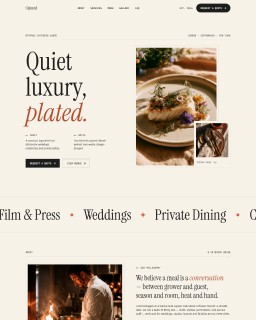
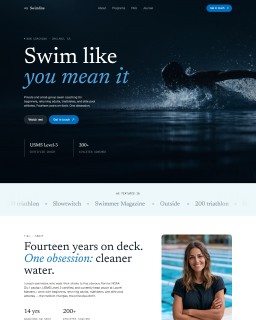
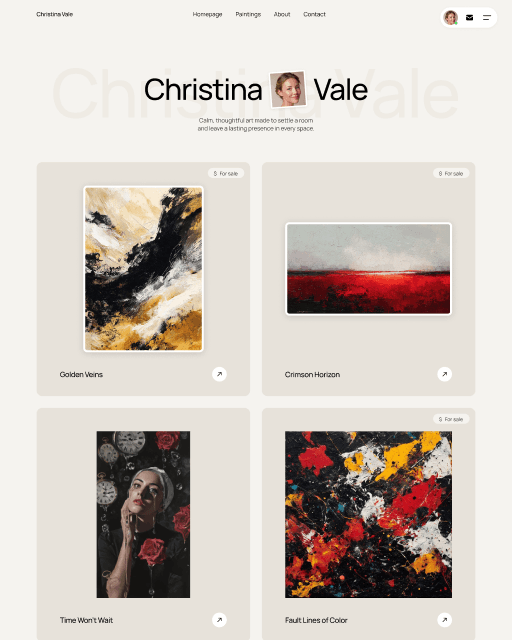
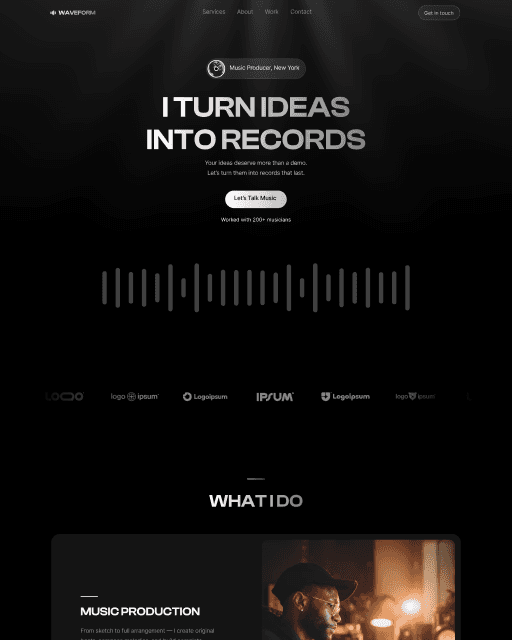
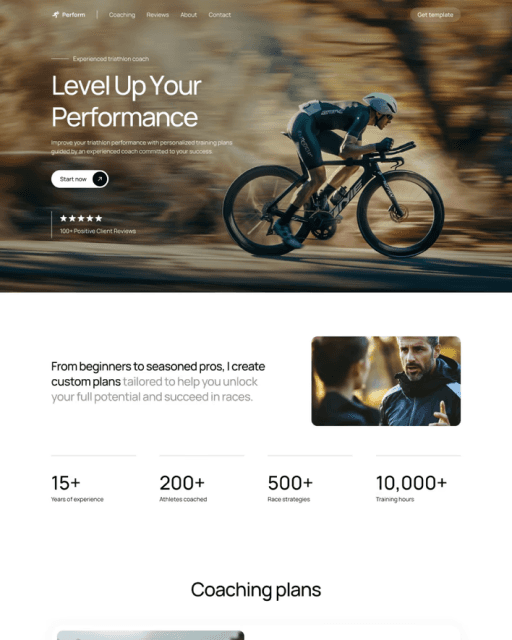
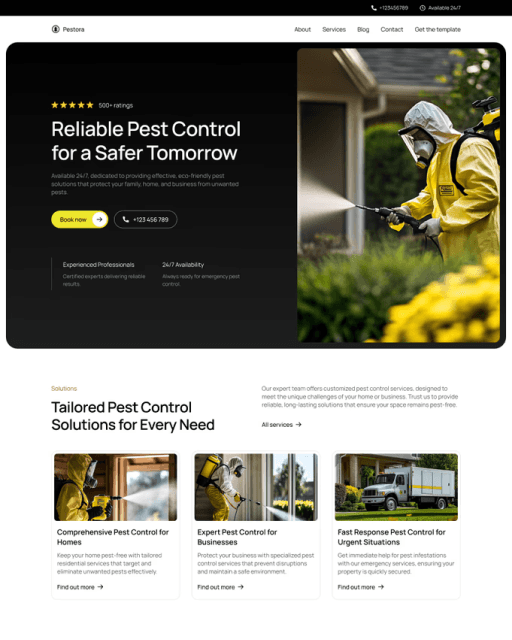
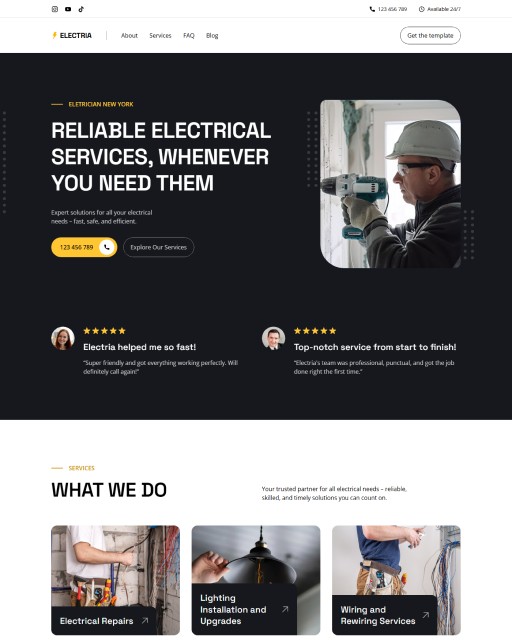
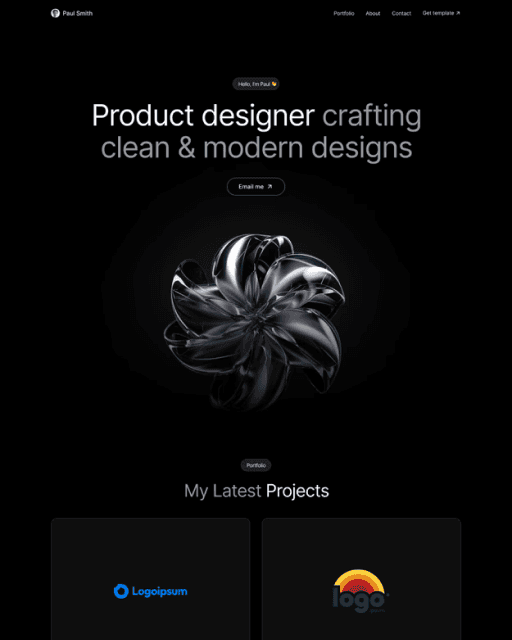
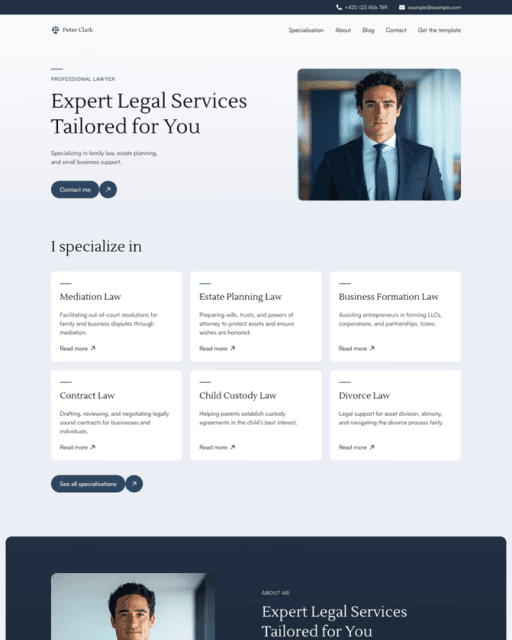
Most DJs rely on a Linktree and a dead SoundCloud link. Here's the website structure that actually gets you booked — the right sections, what goes in each, why it beats a link page, and how to launch without a developer.
A DJ website that gets you booked does three things: it lets a promoter hear your sound in one click, it proves you’re active with upcoming dates, and it makes booking you effortless. Most DJ sites — when they exist at all — do none of these. They’re a Linktree, an Instagram bio, or a dead SoundCloud link, and a booker moves on to whoever is easier to say yes to.
I build Framer templates at sebadam.supply, and I’ve studied what turns a DJ’s website from a digital business card into a booking engine. This guide covers the exact structure — the sections you need, what goes in each, and how to launch without a developer.
Why Most DJ Websites Don’t Get Bookings
Before fixing the structure, it helps to see what goes wrong. Most DJ websites fail for the same reasons:
The music is buried. A promoter wants to hear you in five seconds. If your best mix isn’t front and centre — or worse, isn’t there at all — they leave before they ever get a feel for your sound.
There are no dates. An empty or missing gig list signals you’re not active — the exact opposite of what a promoter is looking for. Momentum books gigs; a dead site kills it.
Everything lives on other platforms. Links scattered across Linktree, Instagram, and SoundCloud aren’t a website. You don’t own them, they look amateur to the people with budgets, and none of it ranks on Google when someone searches for a DJ in your city.
There’s no clear way to book you. No booking email, no press kit, no rate — nothing. The one thing a promoter came for is the thing most DJ sites forget.
The Sections Your DJ Website Needs
You don’t need a huge site. But a single link page isn’t enough to get taken seriously. Here’s the core structure:
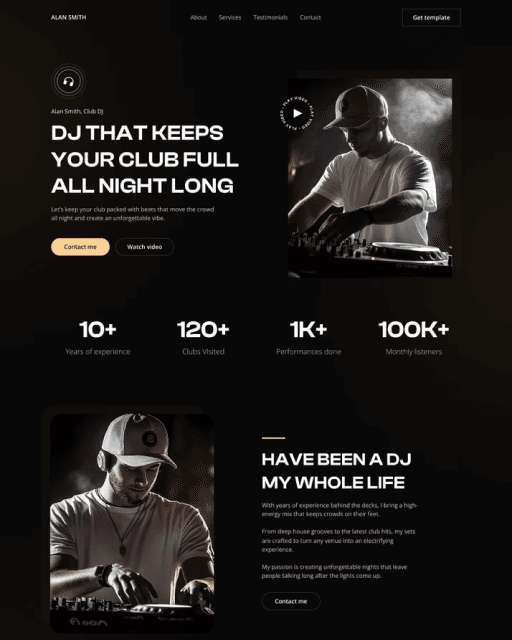
Hero — Your name, genre, and city, with a booking CTA. A bold, high-energy visual that matches your sound. “[Name] — house & techno DJ, Berlin. Available for bookings.”
Music / mixes — The core of the whole site. Embed your best sets from SoundCloud, Mixcloud, Spotify, or YouTube. Lead with one flagship mix, then a few more. This is what actually closes bookings.
Events / tour dates — Upcoming gigs with venue, date, and a ticket link. Run it on a CMS so you can add a date in seconds — an outdated list is worse than none, so keep it current.
About / bio — Your story, your genres, the clubs and festivals you’ve played, and what a night with you actually sounds like.
Gallery — Photos and short clips from real sets. Energy sells a DJ better than words.
Press kit / EPK — For promoters and bookers: bio, high-res photos, logos, tech rider, and social stats. This is what makes you easy to say yes to without a back-and-forth.
Bookings / contact — The money page. A clear booking email or form, and your socials in one place — Instagram, SoundCloud, Spotify, TikTok.
What to Put in Each Section
Knowing the sections is step one. Knowing what goes in them is where most DJs get stuck.
Hero formula: name + genre + city + CTA. Be specific about your sound and where you’re based — it’s the first thing a promoter checks.
Music: lead with your single best mix, autoplay off but one click to play. Don’t make a booker scroll or search — put your strongest work first.
Events: keep it current. Even “next date TBA — join the list” beats a stale gig from last year. Momentum is the signal.
Press kit: include everything a promoter needs to book you and promote the night — bio, photos, logos, and stats — so they never have to email you twice.
Why a Website Beats a Linktree and Instagram
Social profiles get you seen. A website gets you booked. Here’s the difference:
You own it. No algorithm deciding who sees you, no risk of an account being restricted overnight.
It looks professional. Bookers, brands, and festivals — the ones with budgets — take a real website seriously in a way they never take a link page.
It ranks on Google. Your name and “[genre] DJ [city]” become findable, so bookings come to you.
It centralises everything. Music, dates, and booking contact in one place a promoter can act on immediately.

How to Launch Your DJ Website Without a Developer
A custom DJ website costs several hundred to a few thousand dollars and takes weeks. For most DJs, that’s money better spent on gear and gigs.
A Framer template gives you the same professional structure — hero, music, events, about, press kit, booking — without the cost or the wait. You customise everything in Framer’s visual editor, connect your domain, and you’re live. Most DJs are up and running in under 24 hours.
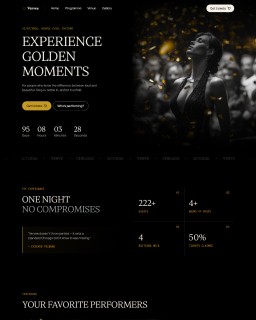
Vibe is a free Framer template built specifically for DJs and music artists. It pairs a bold, dark, high-energy landing page with a CMS-powered events list, so you can add your sets and dates yourself without touching code. It’s the fastest way to a site that actually gets you booked — and it’s free. If you want to compare options first, see our roundup of the best Framer templates for DJs.
Want to compare options before you pick one? Our shortlist of the 4 best Framer templates for DJs compares Vibe with three alternatives, from a free portfolio to club-night and merch-brand sites.
Frequently asked questions
What should a DJ website include?
A DJ website should include your music or mix embeds front and centre, an upcoming events or tour-dates list, an about/bio, a gallery from real sets, a press kit for promoters, and a clear booking contact with your socials in one place. The music and the booking path matter most.
Do I need a website if I have Instagram and SoundCloud?
Yes. Social profiles get you seen, but a website is the one place you own — it looks professional to bookers and brands, ranks on Google for your name and city, and puts your music, dates, and booking contact in one place a promoter can act on. Linktree can't do that.
How much does a DJ website cost?
A custom DJ website runs from several hundred to a few thousand dollars and takes weeks. A Framer template gives you the same structure for free up to around $99, and you can launch in under 24 hours without a developer. Vibe is a free option built specifically for DJs.
Do I need to know how to code to build a DJ website?
No. With a Framer template you edit text, images, mix embeds, and events directly in the visual editor — no code. You add your content, connect a domain, and publish. Most DJs go live in under 24 hours.


